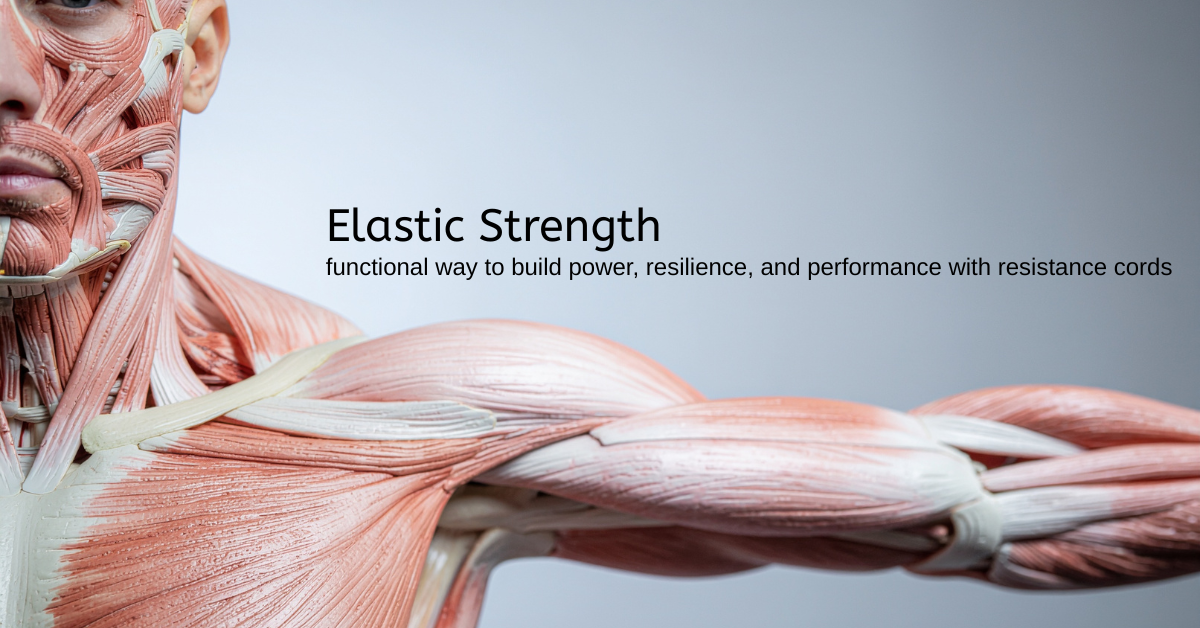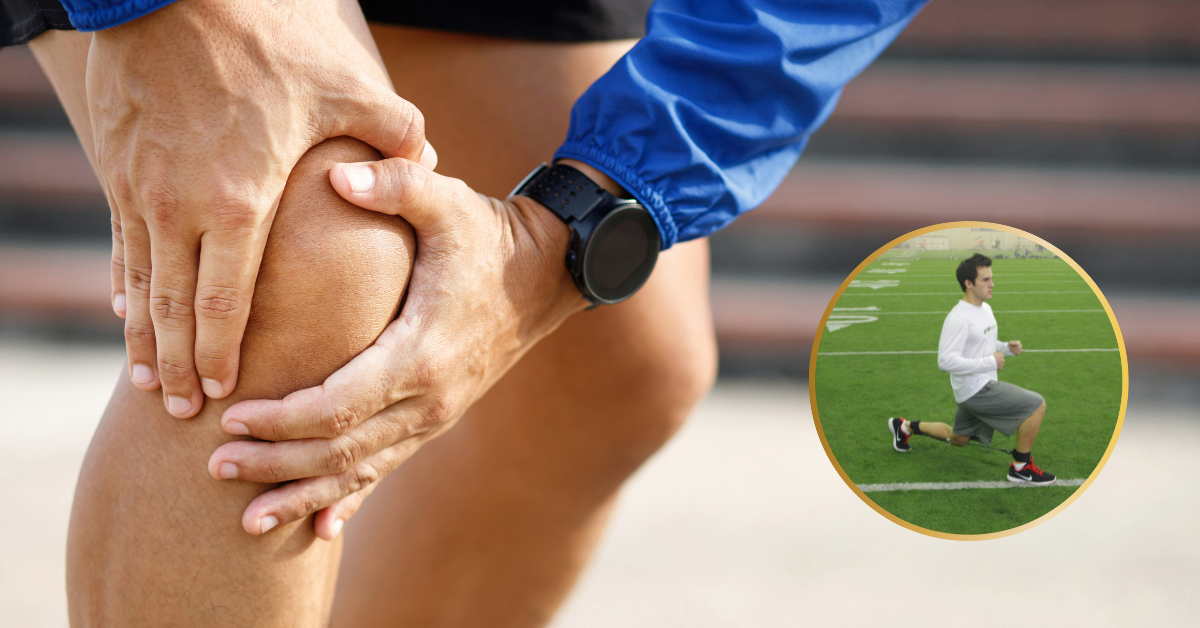
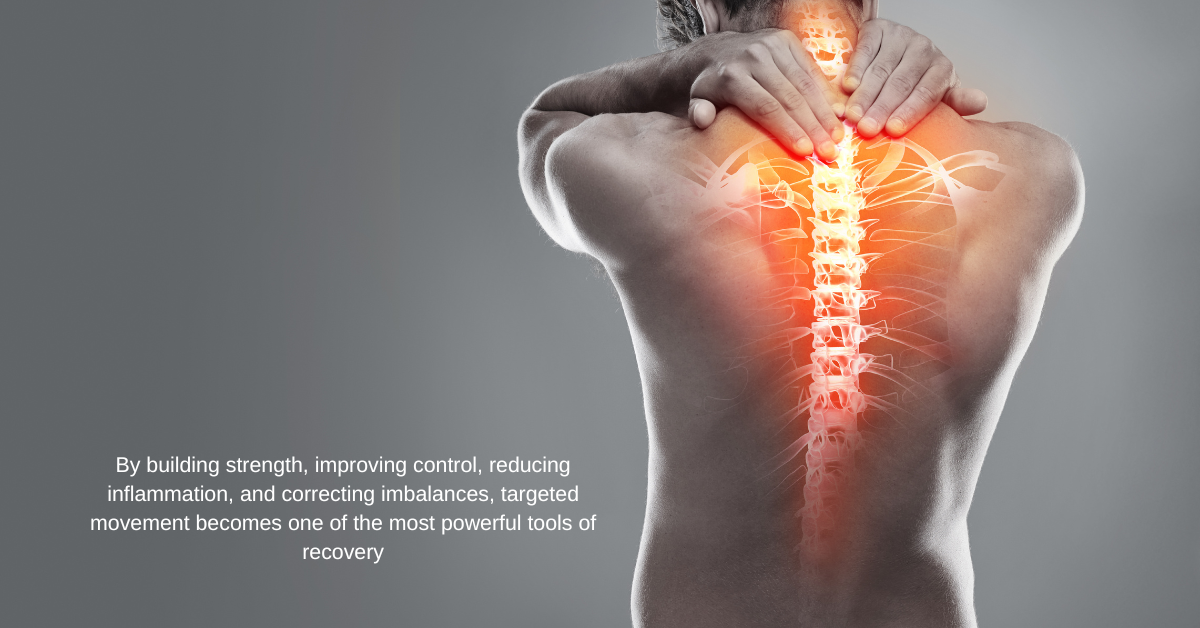
Chronic pain affects millions of people, interfering with daily life, mobility, and happiness. It’s common to think rest is best—but growing research suggests that muscles don’t just move you, they can actively help heal chronic pain. By building strength, improving control, reducing inflammation, and correcting imbalances, targeted movement becomes one of the most powerful tools of recovery.
In this blog post, we’ll explore the science behind how muscles heal, and show how tools from nzcordz.com, including MediCordz®, StrechCordz®, and TurfCordz®, can support your journey toward less pain and more strength.
Why Movement Matters for Chronic Pain Healing
The Role of Muscular Strength and Stability
Weak or underused muscles place extra stress on joints and connective tissue. This creates a vicious cycle: pain leads to inactivity, inactivity leads to deconditioning, which leads to more pain. Strengthening key muscle groups can help support joints, reduce mechanical stress, and stabilize the body. This increased support can lead to pain reduction over time.
Example: core muscles around the spine, glutes, and shoulder stabilizers often play outsized roles in supporting areas prone to chronic pain (low back, hips, shoulders).
Improving Mobility, Range of Motion, and Reducing Compensation
When muscles are tight, underused, or imbalanced, compensatory movements occur. One joint or muscle takes over for another that’s weak or stiff. Over time, those compensations lead to overuse injuries, pain flare-ups, and further restrictions. Proper movement training helps restore mobility, improve flexibility, and reduce compensation. Stretching, mobility drills, resistance work all contribute.
Reducing Inflammation, Pain Sensitization, and Improving Mind-Body Feedback
Muscle activity increases blood flow, which promotes healing by delivering oxygen, nutrients, and removing waste products. Also, moving muscles helps reduce sensitivity of neural pain pathways. Exercise is therapeutic: it changes how the body and nervous system process pain, making pain signals less overwhelming. Hormonal benefits like endorphin release also lift mood, which can be negatively affected by chronic pain.
Tools & Tools that Help: Incorporating Resistance and Support
Knowing that movement and strength training are helpful is one part; using the right tools to do so safely, effectively, and progressively is another. That’s where resistance and rehab gear come in.
Here are three trusted tools from nzcordz.com that map nicely onto the stages of recovery and strength-building:
StrechCordz® Gear — Progressive Resistance Training
Our StrechCordz® line offers swim-specific, dryland, and functional training tools. For chronic pain, one great product is the StrechCordz® Modular Set, which allows you to start with lower resistance cords and gradually add higher resistance levels. This way, you can build strength without overloading injured or sensitive tissues.
Another StrechCordz® product that supports healing is the Drag Belt/Tow Tether. While often used for swim training, this tool adds progressive drag (resistance) to movements, forcing muscles to work harder, which in turn builds power, endurance, and joint support. For chronic pain sufferers, that means stronger muscles around painful joints, helping offload stress.
MediCordz® Gear — Rehab, Recovery, and Stability
MediCordz® is focused on medical and therapeutic resistance. Products like the MediCordz® Door Mount Strap Kit allow gentle, controlled resistance through a range of motion in the comfort of home. For someone recovering from pain in the shoulders, knees, or core region, door-mounted straps lets you do assisted or resisted movements safely.
Also, the MediCordz® Bungie Rehab Kit is helpful for individuals needing low strain but steady resistance surges—good for rehabilitating muscle control, proprioception, and strength without heavy impact.
TurfCordz® — Dynamic, Sport-Specific Movement
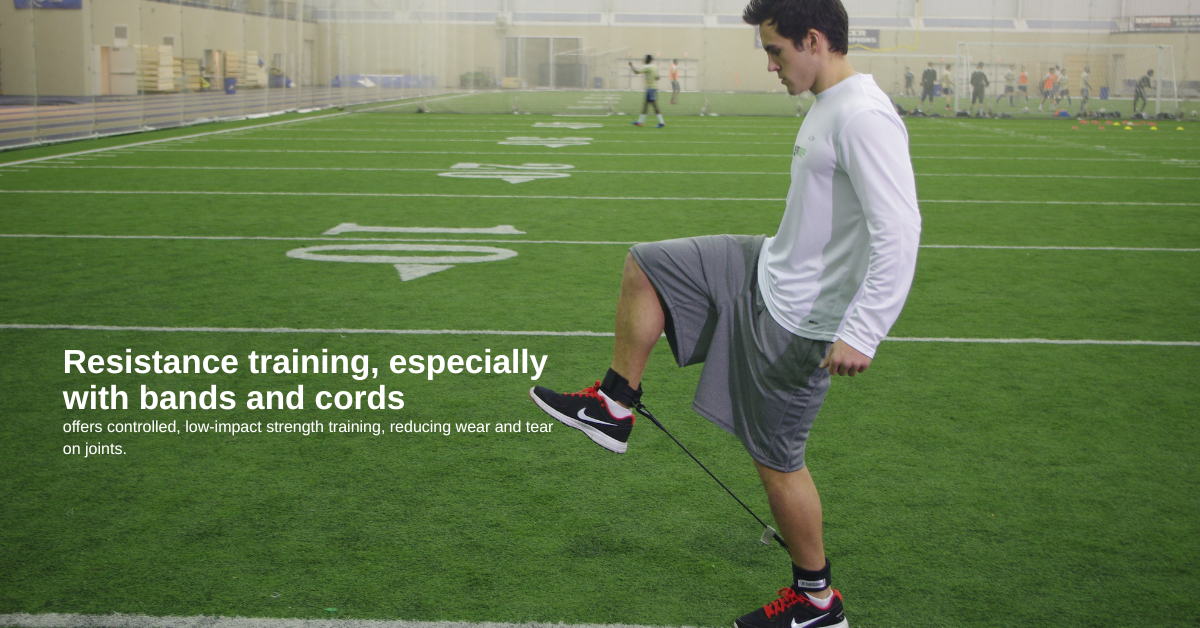
Often, people with chronic pain avoid dynamic, functional movements because they fear re-injury. But when done safely, these movements help rebuild confidence, coordination, and strength in real-life patterns.
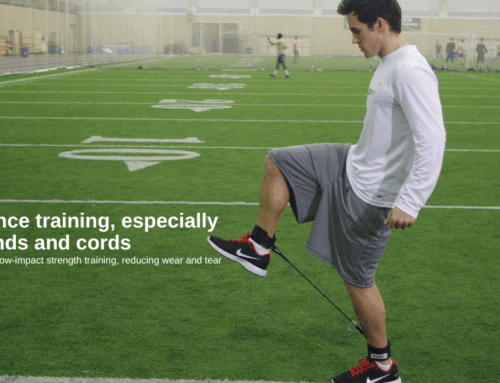
The TurfCordz® Jump Belt can be used to build leg power, joint stability, and tendon strength when jumping or changing direction, which benefit many people whose pain is in hips, knees, or lower back.
Similarly, the TurfCordz® Safety Cord Speed Belt helps with acceleration, core stability, and posture. Even low-speed drills with this belt can significantly enhance muscular engagement and spinal support.
How to Use These Tools Safely in a Chronic Pain Context
Start Slow, Progress Gradually
- Begin with minimal resistance. Let your body adapt. Use lighter cords before moving to stronger ones.
- Frequency matters more than intensity early on. 3-4 short sessions per week often better than 1 very intense session.
Listen to Your Body and Adjust
- Pain that worsens hours or next day may signal you’ve pushed too far. Adjust resistance or repetition.
- Focus on quality of movement, not quantity.
Combine Strength + Mobility + Recovery
- Use StrechCordz® or MediCordz® tools for resistance; pair them with stretching, foam rolling, or mobility drills.
- Use rest and recovery tools/tactics—like turf-based training (TurfCordz®) only when joints feel ready.
Seek Professional Input
- Especially early on, guidance from a physical therapist or certified trainer can help choose appropriate resistance and exercise form.
Putting It All Together: Sample Weekly Plan Using NZCordz Tools
Here’s a sample plan for someone managing chronic back or hip pain, aiming for strength, mobility, and functional movement.
| Day | Activity |
| Monday | Mobility + Stretching: Use StrechCordz® Modular Set for spinal twists, hip flexor stretch. |
| Wednesday | Strength + Resistance: Door Mount Strap Kit (MediCordz) for core/shoulder stability; modular cords for glute/hamstring work. |
| Friday | Dynamic Movement: Low-impact jump drills with TurfCordz® Jump Belt; speed belt drills for posture. |
| Saturday | Recovery: light stretching, breathing work, optional use of bungie rehab kit for gentle activation. |
Over time, increase resistance or reps as pain and stiffness decrease.
Why Healing Happens When Muscles Work (Not Rest Alone)
- Muscles act as shock absorbers: stronger muscles support joints, reduce loading on ligaments and cartilage.
- Movement breaks protective guarding: chronic pain often causes muscles to freeze or avoid motion. Gentle, consistent work helps reset this.
- Improved circulation and nutrient delivery to damaged or inflamed areas foster tissue repair.
- Muscle strengthening improves balance, reduces risk of falls, and reduces fear of movement, all of which support long-term pain reduction.
Conclusion
Chronic pain isn’t just about what hurts — it’s about what you can do to support healing. Muscles aren’t merely for movement; when properly trained, they’re powerful healing agents. Resistance tools can help you safely build strength, correct imbalances, and reduce pain.
If you’re looking to start or deepen your healing journey, nzcordz.com has you covered: from the StrechCordz® Modular Set and Drag Belt/Tow Tether, to MediCordz® Door Mount Strap Kit and Bungie Rehab Kit, and TurfCordz® dynamic tools. Use these tools wisely, move gradually, and you may find that the body that once felt held back begins to feel stronger, more capable, and more alive.